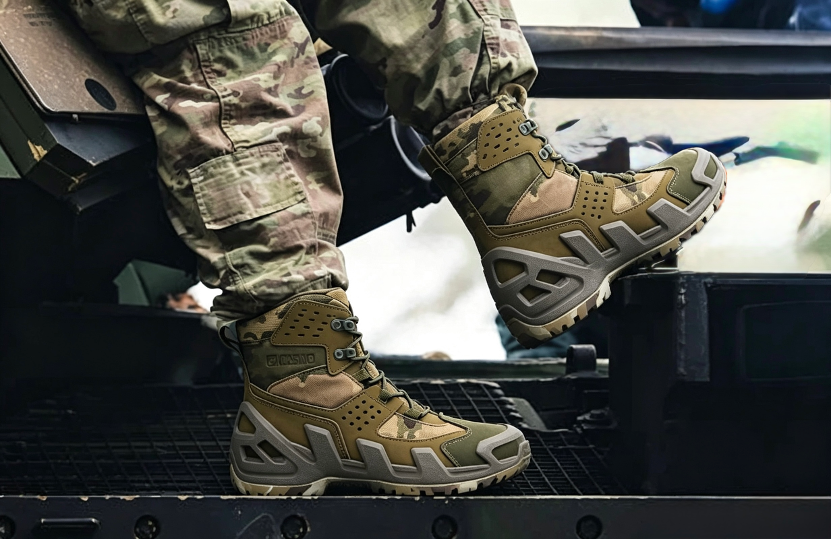
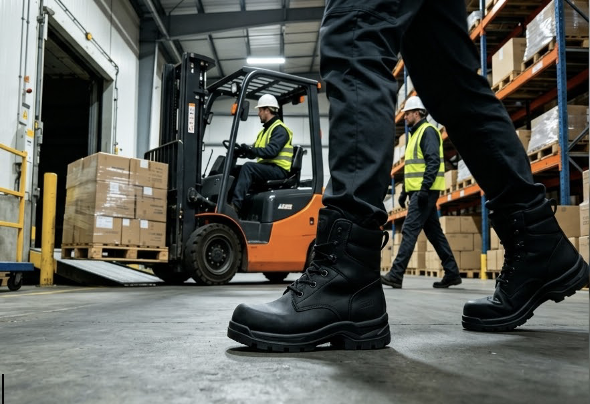
Safety footwear is expected to perform through long working hours, repeated flexing, changing temperatures, moisture, abrasion and demanding workplace conditions.
When a pair fails prematurely, the visible problem is often only the final symptom. A cracked sole, a separating outsole or a broken upper can have very different root causes, from material selection and product design to moulding, bonding, stitching, storage or actual working conditions.
Understanding these causes is the first step toward preventing them.
Common Problems with Safety Footwear
Some of the most common issues include:
- Sole cracking or splitting
- Sole blistering and air bubbles
- Sole separation or delamination
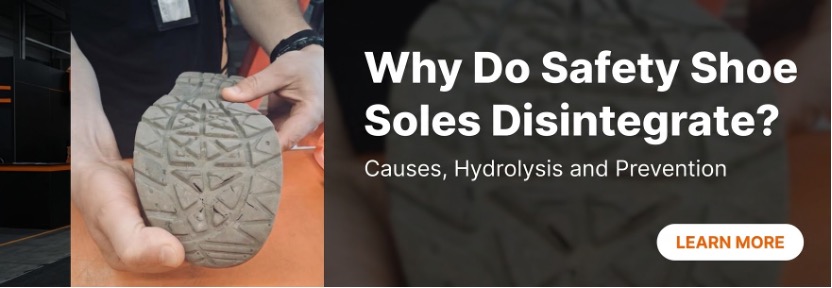
- PU sole crumbling caused by hydrolysis
- Stitching coming apart
- Upper cracking or peeling
- Loss of cushioning and comfort
- Premature outsole wear
Not every defect has the same cause. Good footwear quality depends on the combination of appropriate materials, sound product design, controlled manufacturing processes and consistent quality inspection.
1. Sole Cracking and Splitting
Sole cracking can occur when the sole material cannot withstand repeated flexing, impact and environmental conditions.
The design of the sole also matters. Flex zones, tread geometry, material hardness and the transition between different sole components all influence how stress is distributed during walking.
In PU footwear, cracking can also develop as the material ages or undergoes hydrolysis, particularly in warm and humid environments.
Charming Ever Insight:
A durable outsole is not simply about using a harder material. Material formulation, sole design and processing conditions must work together.
2. Sole Blistering and Air Bubbles
Small bubbles, voids or blister-like areas in an injected sole can indicate problems during the moulding process.
Possible causes include moisture contamination, incomplete mixing, incorrect processing parameters, insufficient degassing or variations in raw material conditions. In PU injection, even small changes in formulation, temperature or moisture control can affect the final cellular structure.
Visible bubbles may be more than a cosmetic issue. Larger internal voids can reduce the consistency and mechanical performance of the sole.
Charming Ever R&D Insight:
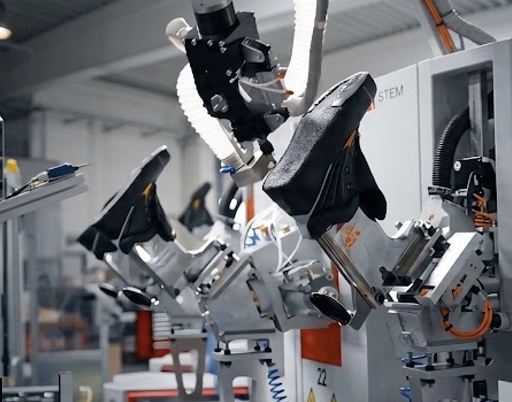
Quality starts before the sole leaves the mould. Raw material control, accurate dosing, mould temperature, mixing and process monitoring are all part of sole quality.
3. Sole Separation and Delamination
When the sole begins to separate from the upper, the problem is usually related to the bond between the two components.
Common contributing factors include inadequate surface preparation, unsuitable adhesive systems, contamination, insufficient curing or incorrect processing conditions.
For direct-injection footwear, the interaction between the upper, mould and injected material is equally important.
Charming Ever Quality Insight:
A strong sole bond is not created by adhesive alone. Surface preparation, material compatibility, processing conditions and bonding control all contribute to long-term adhesion.
4. PU Sole Crumbling: Understanding Hydrolysis
One problem that is often misunderstood is a PU sole that becomes brittle, cracks or crumbles even when the footwear has seen little use.
This can be caused by hydrolysis, a chemical degradation process in polyurethane. Moisture and warm, humid conditions can accelerate the deterioration, which means PU footwear can be affected during storage as well as during use.
This is why a pair that appears almost new can sometimes show severe sole deterioration after extended storage.
Charming Ever Insight:
Material selection is only part of the solution. Manufacturing date, material formulation, storage environment and stock rotation should all be considered when managing PU footwear.
5. Stitching Coming Apart
Stitching is exposed to repeated flexing and tension throughout the life of a safety shoe.
Problems can arise from incorrect stitch density, inconsistent thread tension, unsuitable thread, poor sewing quality or placing stitching through areas that experience excessive stress.
Consistent stitch spacing, secure thread ends and appropriate reinforcement help improve durability.
Charming Ever Quality Insight:
Good stitching should be consistent, not simply strong-looking. Sewing quality is controlled through materials, machine settings, operator technique and inspection.
6. Upper Cracking or Peeling
Upper failure can have several causes depending on the material.
Leather, coated materials and microfiber each have different performance characteristics. Poor material selection, ageing, repeated flexing, abrasion, heat, chemicals or inadequate coating adhesion can contribute to cracking, peeling or surface breakdown.
For professional safety footwear, material selection should therefore consider not only appearance, but also the intended working environment.
Charming Ever R&D Insight:
There is no single “best” upper material for every workplace. The right material is the one whose performance matches the environment, construction and expected service conditions.
7. Losing Comfort Over Time
A shoe may feel comfortable when new but become noticeably harder or less supportive after months of use.
Comfort is influenced by more than the insole. The midsole, outsole construction, cushioning characteristics, footbed materials, shoe geometry and overall weight all contribute to long-term wearing comfort.
A soft insole can provide immediate cushioning, but it cannot compensate for an unsuitable sole structure.
Charming Ever Perspective:
Comfort should be designed into the footwear, not added as an afterthought. Protection, cushioning, flexibility and weight need to be considered together from the development stage.
How Can These Problems Be Prevented?
Preventing footwear defects requires more than checking the finished pair. Consistent quality starts with appropriate materials, controlled production processes and systematic inspection throughout development and manufacturing.
At Charming Ever, we have worked with established independent testing and inspection organisations, including Intertek, CTC and PFI, for many years. These long-standing partnerships support our approach to product testing, production inspection and quality assurance.
To learn more about how we manage quality from development to bulk production, explore our Quality Control process.
If you need guidance on safety footwear quality, product performance or workplace requirements, contact sales@charmingent.com to discuss your requirements.